
The QR on the table: turning dissent into private feedback and delight into public proof
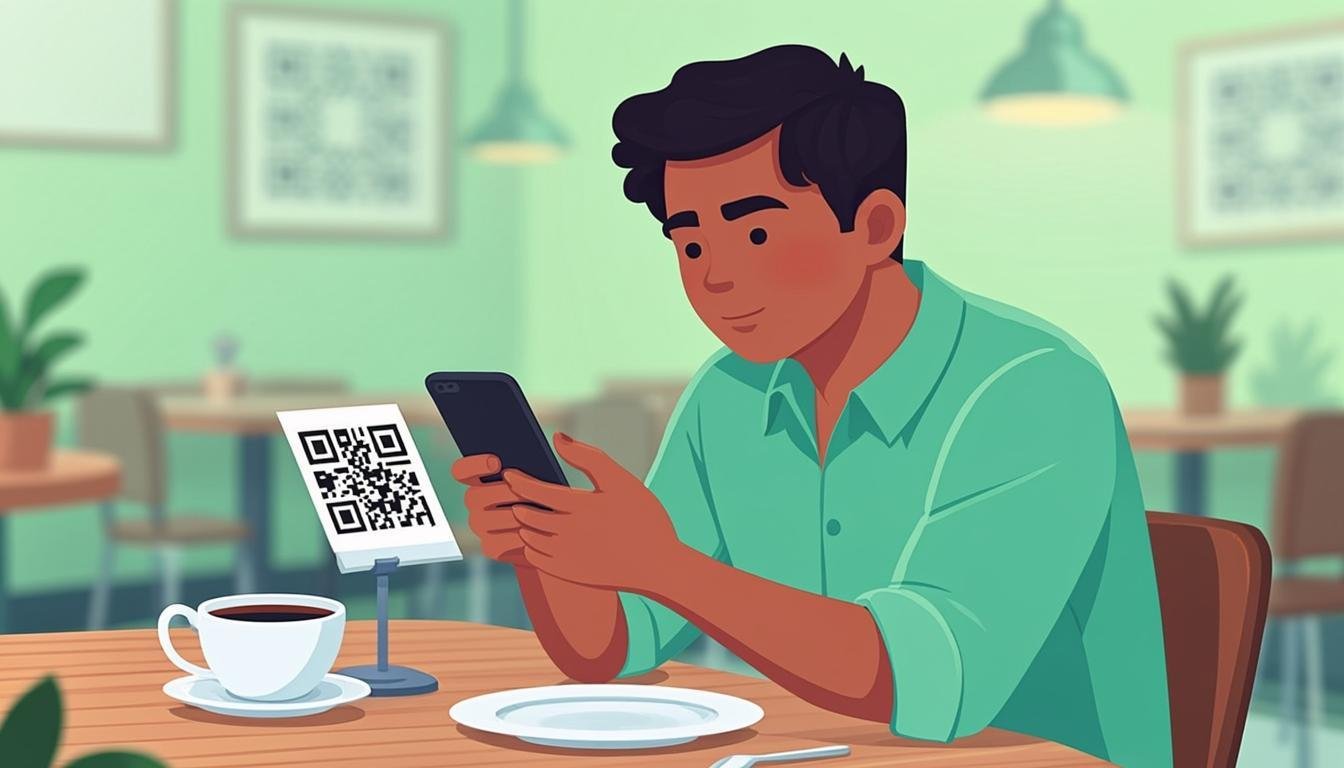
The table-tent QR code has a reputation problem, and it earned it. Most venues deployed a generic link to a feedback form, guests stopped scanning, and the industry concluded QR feedback was a fad. The failure wasn't the medium — it was the flow. A form asks for effort before it offers value. A well-designed flow asks one question first: how was it?
The tap that changes everything
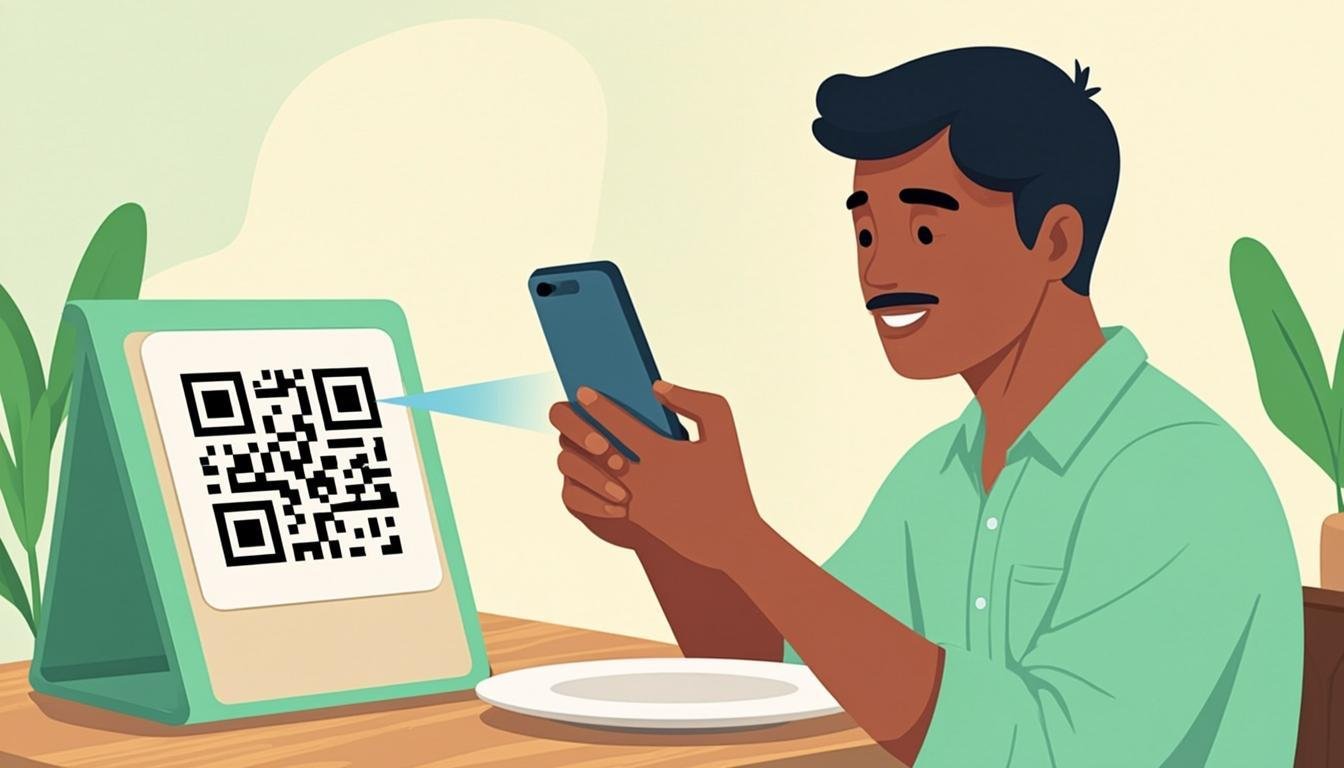
That single tap changes everything, because the two answers need opposite destinations. The guest who taps the smile is standing in your restaurant, pleasantly full, phone in hand. This is the highest-intent moment for a public Google review you will ever get — better than any WhatsApp follow-up, because the experience is not a memory, it is a present-tense fact. Hand that guest a graceful, one-tap path to your Google profile and a startling number of them finish the job before the plates are cleared.
Two guests, two destinations
The guest who taps the frown needs the opposite: privacy. Research after research confirms the majority of unhappy guests who post publicly do so because no easier channel to be heard existed in the moment. Give them a private note that lands on the manager's phone — not the internet — and you have intercepted the review before it was written. Not suppressed it: intercepted. The difference matters. A guest who is heard privately still posts publicly when the recovery is genuine — and a public review that begins "I had an issue, and the manager called me within the hour" is worth more than a flawless five-star record, because it shows the reader how you behave when things go wrong.
The design rules
The design rules fall out of that symmetry. One question before any form field. No personally identifiable information demanded up front — a guest who fears a follow-up call will censor themselves. An explicit, honest consent line if you want to message them later, unticked by default. And a thank-you screen that respects both outcomes: the delighted guest sees their review fly, the disappointed guest sees a promise with a name on it.
The operational dividend
There is an operational dividend too. Private feedback arrives tagged by location and moment, which turns mood data into a shift-level instrument. When one outlet's frown rate doubles for two weekends, that is not noise — that is a staffing change, a supplier switch, or a menu experiment showing up in the data before it shows up in your rating. The venues that act on mood signals in days keep the dips minor; the ones that wait for the monthly rating average inherit the damage.
None of this requires an app download, a loyalty program or a change in guest behaviour. It requires respecting the two guests in front of you: the one who wants to shout your name from a rooftop, and the one who wants to tell you, quietly, what went wrong. The QR code is simply the door — what matters is that both rooms are worth walking into.
Keep reading
 Reputation playbookShort reply or long reply? Format plays for every type of Google review16 May 2026 · 5 min read
 Google profilesThe 15-minute Google Business Profile checklist every Indian restaurant should run monthly27 Jun 2026 · 6 min read
 Review requestsWhatsApp review requests: the polite way to multiply your Google reviews2 Sept 2026 · 7 min read