
From Saturday-night chaos to a calm Monday: building a weekly feedback loop that actually runs
Ask a restaurant owner how they handle guest feedback and you'll usually hear about the worst review they ever got — handled brilliantly, once, in a burst of adrenaline. That is not a feedback loop; that is an anecdote. The venues that compound reputation year over year run something duller and far more powerful: a weekly rhythm that survives busy seasons, staff turnover and the owner's own enthusiasm cycle.
The four beats of the week
The loop has four beats. Sense: every review and private feedback note lands in one place, scored and triaged the day it arrives — nothing waits for anyone to feel like looking. Triage: negatives within the day, positives within the week, urgent ones to the owner's phone in minutes. Act: one theme per week gets a concrete change — not five, one; the parking complaint gets the valet call, the slow-dinner complaint gets the pre-order nudge. Close: the following week's digest opens with what changed because of last week's reviews, so the team sees the loop completing.
The 20-minute Monday meeting
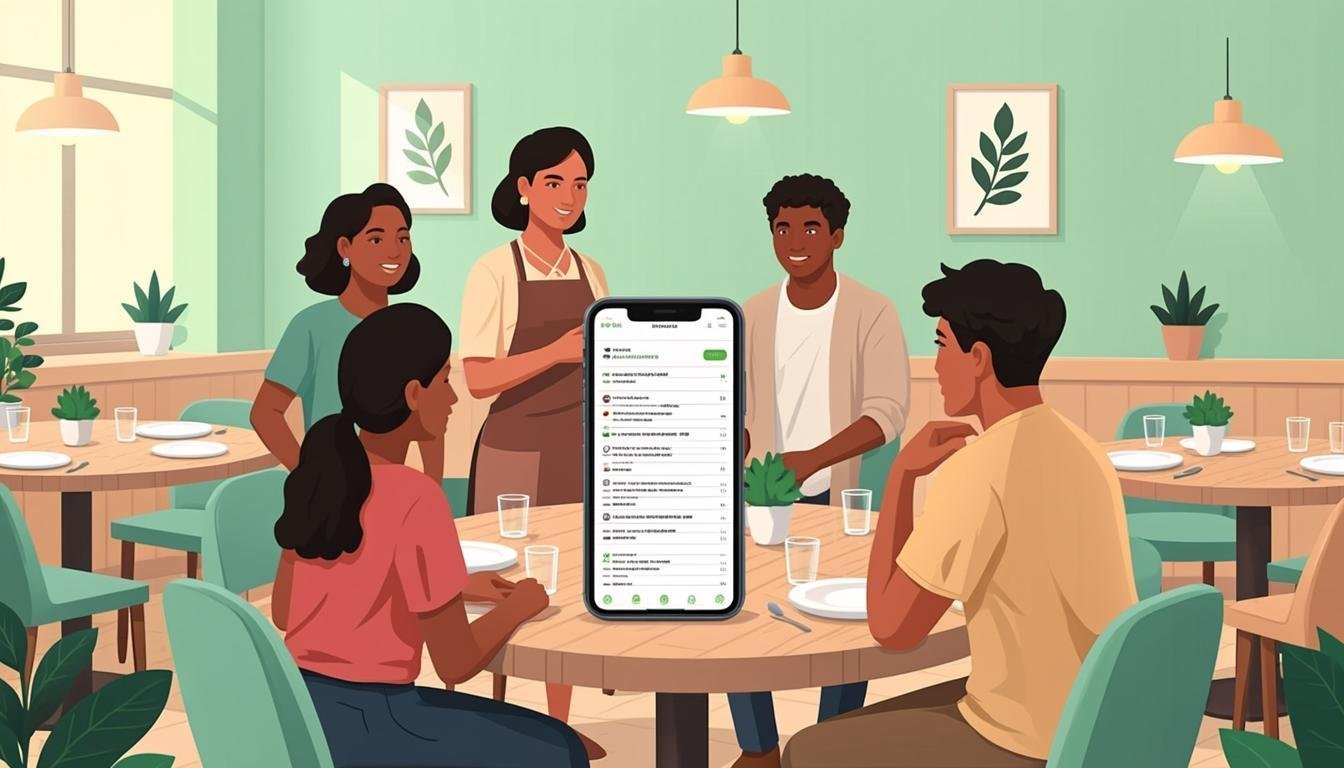
The Monday meeting is twenty minutes and has three fixed items: last week's score and the reason it moved, the one theme we acted on and what happened, and this week's one theme. No slides, no laptop — the digest on a phone, passed around. The discipline of one theme per week is the whole trick: venues that try to fix everything fix nothing, and venues that fix one thing a week run out of problems inside a year.

Why loops die — and the antidotes
Loops die three ways. Enthusiasm fades after the first slow month — the antidote is that the digest arrives whether or not the meeting happens, so the floor of the system is higher than anyone's mood. Ownership blurs — the antidote is a named name: the loop belongs to one person per week, and it rotates. And the data drifts into VanityMetrics theatre — the antidote is the close-the-loop rule: no number appears in the meeting without an action or a decision attached to it.
What a month of it buys
Run the loop for four weeks and the shifts are already visible in the data: response rate climbs first (it is the easiest habit), reply time on negatives collapses, and the theme log — one act per week, twelve a quarter — becomes the most honest strategy document the business owns. The rating itself follows with a lag of six to ten weeks; it always has.
None of this requires Sensiblee specifically, which is why we can say it plainly: the loop is the product. The software just makes the loop survive the Saturday nights, the staff changes and the months when nobody feels like it — which, in our experience, is precisely when it matters most.
Keep reading
 Reputation playbookResponse rate is the most underrated lever in hospitality reputation12 Sept 2026 · 6 min read
 Guest experienceThe QR on the table: turning dissent into private feedback and delight into public proof21 Aug 2026 · 5 min read
 Team & staffWhy naming names in review replies is the cheapest staff motivation you'll ever buy13 Jun 2026 · 4 min read